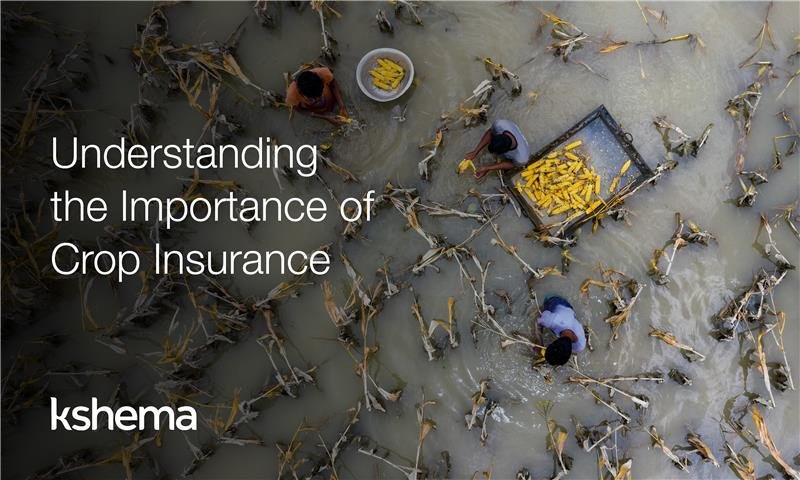
Understanding the Importance of Crop Insurance

importance of crop insurance, crop insurance in India, benefits of crop insurance, importance of agricultural insurance, crop insurance schemes India, agricultural insurance in India, crop insurance for farmers, crop insurance and climate change, crop insurance Karnataka, sustainable farming insurance
Farming is increasingly exposed to weather extremes, pests, market swings and rising input costs. The importance of crop insurance is that it converts these unpredictable risks into manageable financial outcomes — protecting farmers’ incomes, securing credit flows and stabilizing food supply. This article explains how crop insurance works, the concrete advantages for farmers and communities, and practical steps to choose the right cover in India.
Choose Kshema’s Reliable Protection for Your Crops
  • Buy in easy steps
  • Premium Starts at INR 499
  • Protect 100+ Crops
  • Quick & Easy Claims
By submitting this form, you agree to be contacted on your phone number or e-mail address by Kshema General Insurance and/or its representatives.

Why the Importance of Crop Insurance Cannot Be Overstated

Crop insurance reduces the financial shock of crop failure and supports resilience at farm and community level.
Answer-first overview
 
  • What is crop insurance?
    Crop insurance protects farmers from loss of yield or revenue due to weather, pests, disease and other perils.
  • Key benefits:
    • Income protection
    • Easier access to credit
    • Faster recovery after disasters
    • Incentivizing investment in improved inputs
  • How it works (short):
    Insurer assesses area-based or individual loss against expected yield or sum insured, then pays indemnity based on the policy type (area-based or individual).
  • Who it’s for:
    • Smallholders
    • Commercial farmers
    • Lenders
    • Agri-businesses
  • Immediate actions:
    • Register on government or insurer portal
    • Select a scheme (PMFBY / others)
    • Keep records
    • Notify losses promptly
Explains direct indemnity payments, smoothing seasonal income and reducing distress sales.
Lenders prefer insured farms; insurance lowers perceived credit risk and encourages investment in quality seeds, fertilisers and technology.
When more farmers recover quickly after losses, supply volatility reduces and market prices stabilise.

Step 1: Choose policy type:Area-yield/area-loss (like many government schemes) vs. individual farm-level cover.
Step 2: Insured Sum and Premium:Sum insured typically linked to expected yield or crop value; premium may be shared between farmer, insurer and government.
Step 3: Loss assessment and claim process:Area-based schemes use sampled assessments or satellite data; individual policies use field inspections.
Step 4: Claim settlement:Indemnity paid after verification — timelines vary by scheme and insurer.

Advantages of Crop Insurance

Financial Protection and Risk Transfer
Shifts part of the financial burden of crop failure from farmer to insurer.
Provides an affordable way to protect income, with many schemes offering subsidised premiums.
Schemes like PMFBY in India provide wide coverage, premium subsidies and simplified enrolment.
Encourages sustainable farming practices and long-term planning by reducing downside risk.

Crop Insurance in India — Key Schemes and Practical Tips

Major Schemes
Pradhan Mantri Fasal Bima Yojana (PMFBY), Weather-based Crop Insurance Scheme (WBCIS) and private products
Registration through banks, insurer portals, or local agriculture offices during notification period,keep land records and Aadhaar/ID ready.
Save purchase receipts, input bills and yield records; notify loss within the stipulated window to avoid rejection.
Area schemes are lower cost and administratively simpler; individual cover is better for high-value crops and heterogenous farms.
Policy Type How Loss is Assessed Best for Pros Cons
Area-based (e.g., PMFBY) Sampled area yield or satellite data Regions with homogeneous farming Lower admin cost, subsidised premiums May not reflect individual farm loss
Individual farm-level Field inspection and farm-level measurements High-value or heterogeneous farms More accurate compensation Higher premium, more paperwork
Revenue/Price-linked Combines yield and market price data Commercial farmers facing price volatility Protects both yield and price risk Complex and costlier

Common Causes of Farm Damage and How Insurance Addresses Them

Weather Hazards
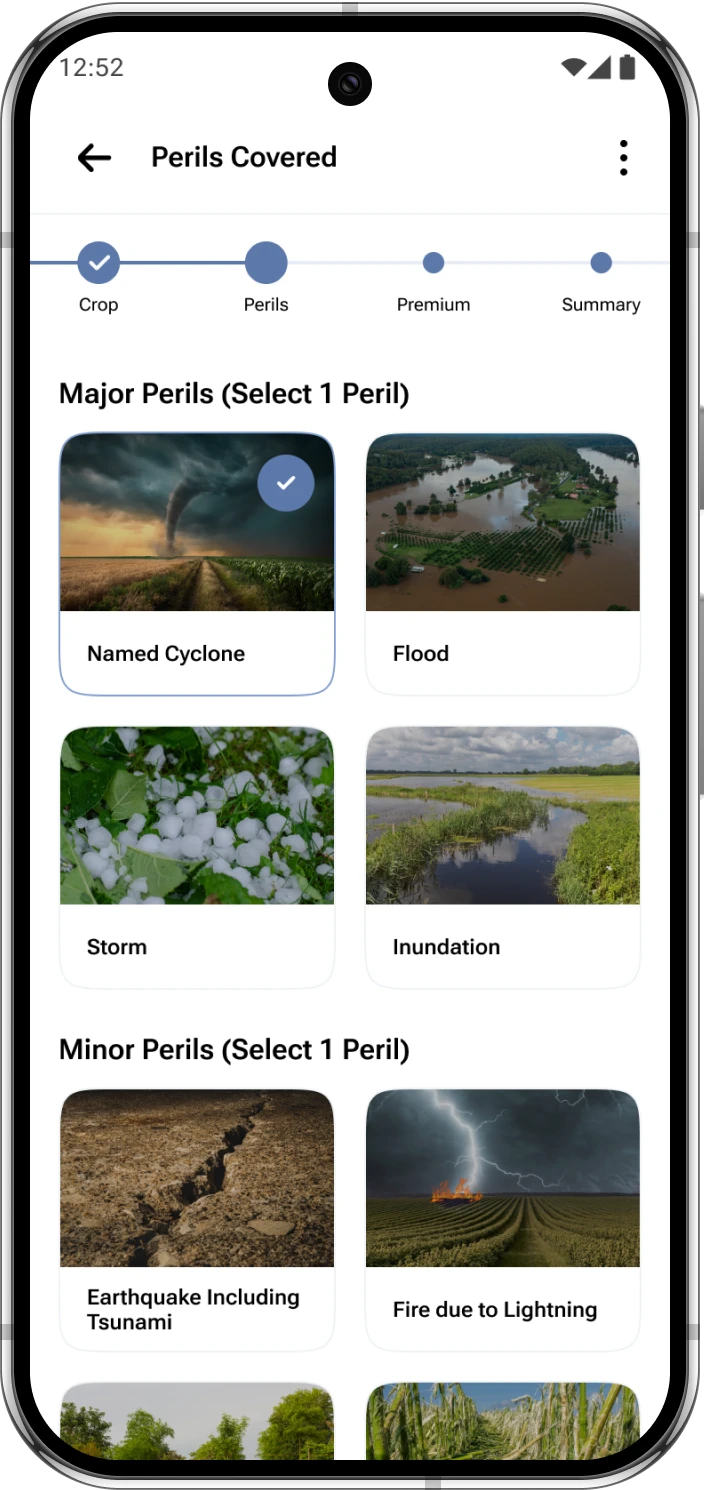
Drought, excess rainfall, floods, hail — typically covered under standard crop policies.
Some schemes cover widespread pest/disease outbreaks; proper documentation and early reporting are essential.
Check policy wording; some insurers offer add-ons or revenue insurance for price risk.

Practical Checklist for Farmers Before Buying Crop Insurance

  • Verify which crops and stages are covered
  • Understand the sum insured and how it’s calculated
  • Confirm premium amount and any subsidy available
  • Know claim notification and inspection timelines
  • Gather land records, input bills and identity documents
  • Ask about use of remote sensing/satellite data and grievance redressal

Conclusion

Crop insurance is a practical risk-management tool that secures farmer incomes, strengthens credit access and increases resilience to climate and market shocks. For farmers in India and elsewhere, the right policy — chosen with attention to coverage type, sum insured and claim process — turns unpredictable farm losses into manageable financial outcomes. At Kshema General Insurance, crop insurance solutions are designed to support this financial resilience.

Take action: check available schemes for your crop, gather required documents, and enrol during the notified window to ensure protection before the next season.

Frequently Asked Questions (FAQs)

Q1. What is the importance of crop insurance for small farmers?
Crop insurance protects small farmers from catastrophic income loss after crop failure. It ensures quick financial relief, helps maintain access to credit and reduces the need for distress measures like forced asset sales.
Advantages include subsidised premiums, wide crop coverage, simplified enrolment through banks/portals, and faster settlement using area-yield assessments or satellite data — making protection affordable and scalable.
You must notify the insurer within the specified window. For area-based schemes, loss is estimated using sample surveys or remote sensing; for individual policies, field inspection quantifies yield loss. After verification, indemnity is paid based on the shortfall or sum insured.
Beyond payouts, crop insurance stabilises income, improves creditworthiness, encourages investment in better inputs and technologies, and reduces overall community vulnerability to shocks.
Many policies cover pest and disease outbreaks if they are widespread; some insurers or add-ons cover post-harvest losses. Always check the policy wording and exclusions before buying — the importance of crop insurance includes understanding these specifics to get suitable protection.

Disclaimer:

“We do not assume any liability for any actions undertaken based on the information provided here. The information gathered from various sources and are displayed here for general guidance and does not constitute any professional advice or warranty of any kind.”

Download IconDownload Now
Scanner Icon Download Kshema App
Kisan Credit Card for farmers in India providing affordable agricultural credit
English
importance of crop insurance, crop insurance in India, benefits of crop insurance, importance of agricultural insurance, crop insurance schemes India, agricultural insurance in India, crop insurance for farmers, crop insurance and climate change, crop insurance Karnataka, sustainable farming insurance
English
insurance quotes comparison for vehicle insurance in India 2026
English
home fire insurance protecting rural houses and livelihoods in India
English
Haryana farmer selling vegetables under Bhavantar Bharpai Yojana price support scheme
English
showing motor insurance coverage, exclusions, and benefits for vehicle owners in India
English
Farmer reviewing personal accident cover options
English
Weather Based Crop Insurance,Weather based crop insurance scheme compared with traditional crop insurance for farmers
English
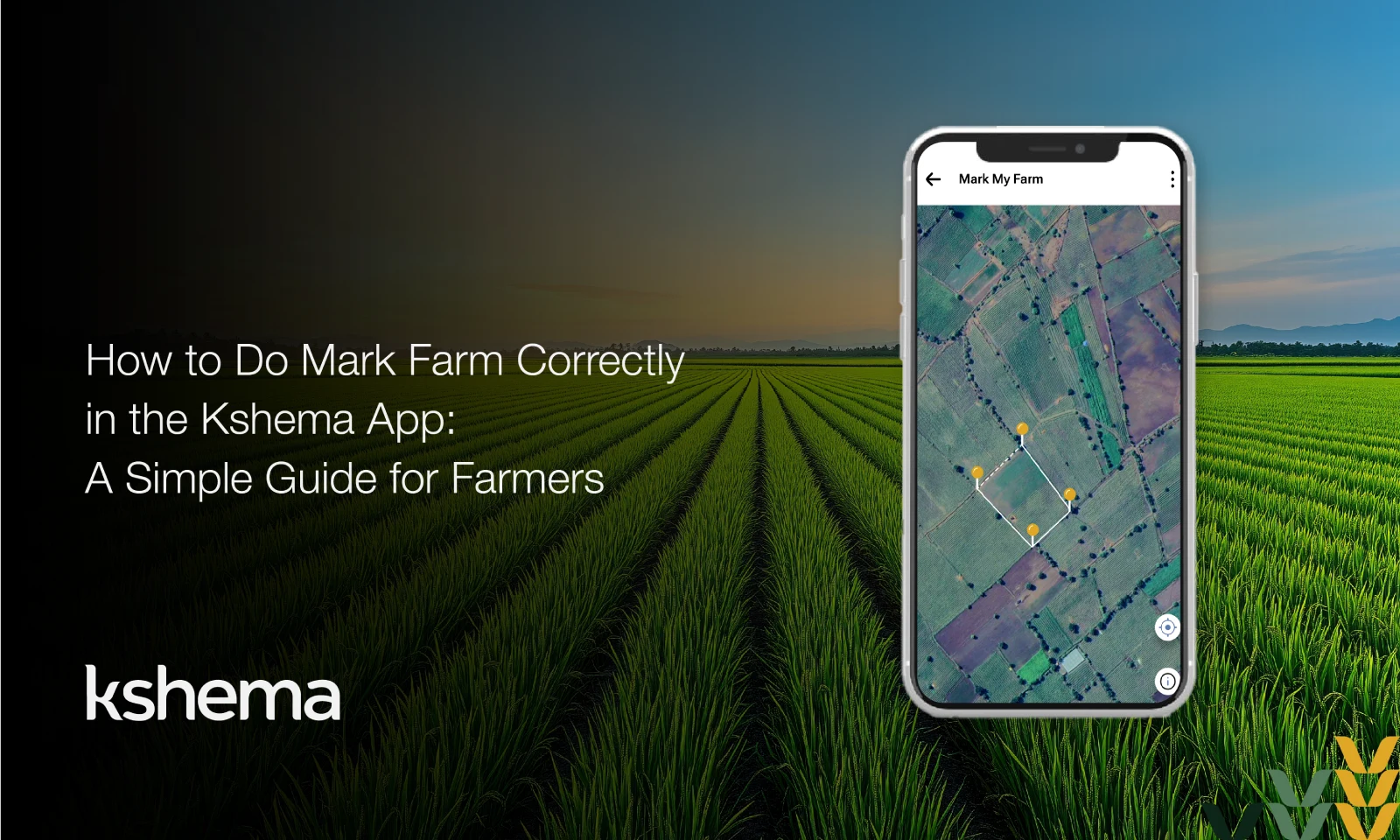
Mark farm, Farmer marking farm boundary on the Kshema App for accurate crop insurance mapping
English
Kshema App KYC Aadhaar verification process on smartphone
English
How to Check Crop Loan Status in Telangana Online – Farmer Guide
English
benefits of insurance to farmers, Farmer standing in crop field insured under crop insurance
English
Comprehensive crop insurance scheme protecting farmers with coverage and claim support
English
Advantages of crop insurance in India showing how farmer income is protected from crop loss
English
Farming System and Sustainable Agriculture, Small farmer using sustainable agriculture farming practices like crop rotation and integrated farming system to boost yield and income.
English
Effects of heat waves on Rabi crops showing heat-stressed wheat plants during grain filling
English
Farmers filing crop insurance claims with PMFBY tips to avoid common mistakes
English
Farmer checking rabi crop insurance deadlines and PMFBY last date for fasal bima enrolment
English
Go to Top